How Did Orange Get Its Name?
Meet William IV of Orange & Princess Anne
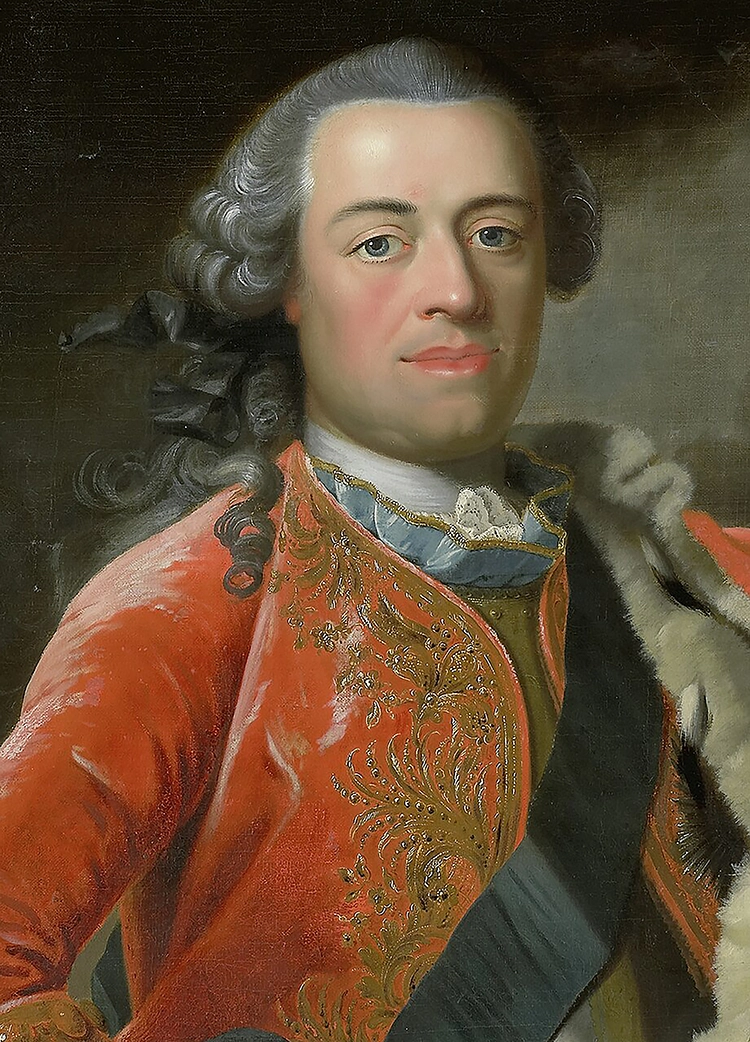

People often wonder where the County and Town of Orange got their names. The answer lies in the history surrounding Prince William IV of Orange. It all began in 1734 during the American Colonial Era when William married the daughter of the King of England. This event inspired the Virginia House of Burgesses to honor their union in a dramatic way.
A Royal Union Across the Sea
On March 25, 1734, at the Chapel Royal of St. James’s Palace in London, Prince William IV of Orange, heir to the House of Orange-Nassau and future stadtholder of the Netherlands, married Anne, Princess Royal, eldest daughter of Britain’s King George II and Queen Caroline. The wedding was a grand affair, worthy of Handel’s music, and symbolized a political and dynastic alliance between Great Britain and the Dutch Republic.
Why “Orange”?
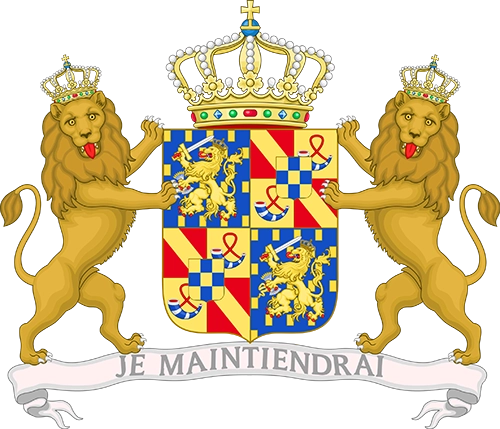
Many visitors assume “Orange” refers to the fruit or the color, but the name has much older and nobler roots. It originates from the Principality of Orange, a small, independent state in southern France, centered on the town of Orange in Provence. The title passed into the House of Nassau in the 16th century through inheritance, and from that point forward its leaders were known as the Princes of Orange.
The Orange title carried enormous prestige in Europe, far beyond the size of the territory itself, because the House of Orange became synonymous with leadership of the Dutch Republic, Protestant independence, and close ties to England. By William IV’s time in the 18th century, “Orange” was a household name across Europe and the colonies, not because of a fruit, but because of a dynasty.
Honoring the Couple in Virginia
The same year as their marriage, Virginia’s House of Burgesses formed a new county, carved from Spotsylvania, which they would call Orange County. They named it in honor of the newlywed couple, Prince William of Orange and Princess Anne. It was a way for Virginia colonists to celebrate their loyalty to the Crown and recognize a royal union that promised to strengthen Protestant alliances across Europe.
A County of Enormous Proportions
When it was created in August 1734, Orange County’s western boundary stretched in theory all the way to the Mississippi River and even up toward the Great Lakes, making it by far the largest county in British America at the time. This vast expanse lasted until 1738, when much of that land was reassigned to the newly formed Augusta County.
From County to Town
In 1749, when Culpeper County was established as a separate entity from Orange County, the old courthouse site at Raccoon Ford was no longer central. The courts were moved to Orange Court House (today’s Town of Orange), which became the county seat of Orange County. The present courthouse dates to 1858, and the town was incorporated in 1872.
Why It Matters Today
The naming of Orange County and the Town of Orange wasn’t just fashionable colonial flattery. It was a symbolic gesture tying Virginia to European dynastic power. Visitors walking downtown may not expect such royal roots, but behind the banners lies a story of transatlantic alliances, colonial ambition, and the making of what would eventually become the County and Town of Orange, Virginia.